Lifting Eye Hook About
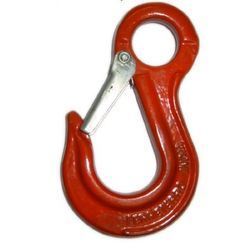
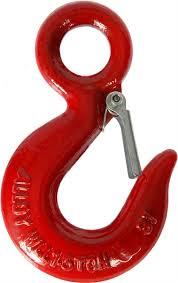
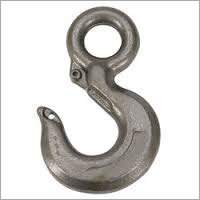
Based in Ahmedabad, Gujarat, we have been engaged in the business of providing Lifting Eye Hook. It is designed having a curved metal alloy structure provided with a locking assembly to prevent unwanted removal of lifted material. This hook is most commonly used in cranes, weighing machine, and electric hoists for lifting heavy goods. Made using die-cast technology, it finds application in warehouses, construction sites, and offshore. Lifting Eye Hook is provided with a hole at the top to assure easy attachment with the help of chain or directly to another hook.
Features:
- Coated with metallic paint to prevent corrosion
- Rugged construction
- Have the ability to hold heavy weight
Specification
| Size/Capacity | 3 Ton |
| Material | Mild Steel |
| Usage/Application | Lifting |
| Color | Orange |
| Brand | Charmi Enterprise |
| Country of Origin | Made in India |
| Surface Finish | Paint Coated |
Built from high-quality alloy steel, the Lifting Eye Hook is designed for superior tensile strength and resilience, supporting up to 8 tons depending on the model. Its robust structure and eye hook shape allow seamless integration into hoisting, rigging, and material handling systems for industrial efficiency.
Safety and Durability EnsuredThis eye hook features a powder coated, corrosion-resistant surface and a spring-loaded safety latch to prevent accidental disengagement. Withstanding extreme temperatures from -20C to 200C, it's tough enough for demanding environments, providing long-lasting performance and reliable safety.
Versatile Applications Across IndustriesSuitable for industrial, construction, and marine environments, this lifting hook is perfect for various tasks such as lifting, hoisting, and securing heavy loads. Its durability and manual operation make it a trusted tool for professionals seeking consistent and safe handling in diverse working conditions.
FAQ's of Lifting Eye Hook:
Q: How do you properly use the Lifting Eye Hook for safe lifting?
A: To use the Lifting Eye Hook safely, attach it to compatible lifting equipment ensuring the spring-loaded safety latch is fully closed and engaged. Inspect the hook for any damage or deformation before every use, and never exceed the rated load capacity for your specific hook size.
Q: What are the key benefits of the powder coated finish and corrosion resistance?
A: The powder coated finish and corrosion-resistant properties protect the hook from wear, rust, and harsh environmental conditions. This ensures longer lifespan, reduced maintenance needs, and safe operation even in marine or outdoor industrial environments.
Q: When should the Lifting Eye Hook be inspected or replaced?
A: It's essential to inspect the hook before each use for any signs of wear, cracks, deformation, or damage to the latch. Replace the hook if any issues are found or after prolonged heavy usage to maintain load safety and meet industry regulations.
Q: Where can the Lifting Eye Hook be used?
A: This hook is widely suitable for industrial, construction, and marine sites. It can be employed in lifting, hoisting, rigging, and material handling applications, offering versatility for a range of tasks and environments.
Q: What is the standard and material specification of this eye hook?
A: The hook is manufactured in compliance with IS/G80 or equivalent industry standards and is made from high-strength alloy steel. This ensures it can handle demanding loads and rigorous conditions while maintaining safety and durability.
Q: How does the spring-loaded safety latch enhance hook safety?
A: The spring-loaded safety latch prevents accidental release of the load, securing the sling or chain during operation. It automatically snaps shut, providing an extra layer of protection during lifting and handling activities.
Q: What is the typical process for selecting the correct size and load capacity?
A: Choose the hook size based on the specific weight and application requirements. Refer to the manufacturer's specifications to ensure the selected hook's load capacity matches or exceeds the lifting demands, and always factor in safety guidelines during selection.




 Send Inquiry


 Send Email
 Send Inquiry

 Send Inquiry
 Send Inquiry
 Send SMS


